
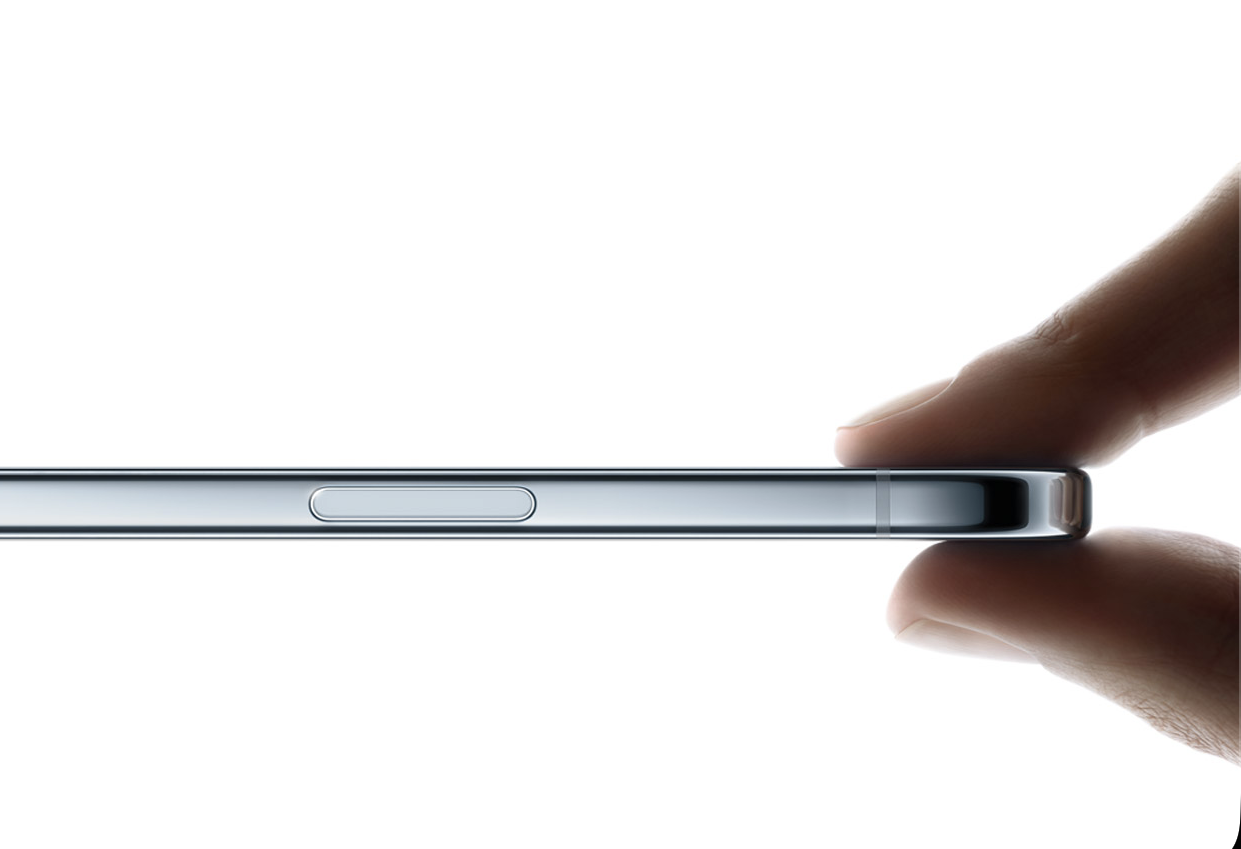

Apple's iPhone Air landed in September with a bold promise: the thinnest iPhone ever built, at just 5.6mm. It looked stunning in stores, felt impossibly light in your hand, and represented the first major iPhone design shift since Face ID arrived in 2017.
But that thinness came with compromises, and now multiple reports confirm what analysts feared. The iPhone Air isn't selling.
Production cuts started in October. Supply chain sources told Nikkei Asia that November orders dropped to less than 10 percent of September levels. Ming-Chi Kuo, one of the most accurate Apple analysts, reported that suppliers scaled back capacity by more than 80 percent heading into early 2026. Foxconn dismantled nearly all its iPhone Air production lines.
The numbers tell a clear story. While the standard iPhone 17 and iPhone 17 Pro models exceeded expectations, the Air struggled to find buyers willing to pay $999 for a phone that trades core features for aesthetics.
The problem starts with what the Air had to give up. At 5.6mm thick, there simply wasn't room for everything people expect from a modern iPhone. Battery life took a significant hit compared to the iPhone 17 and 17 Pro. The Air ships with a single rear camera instead of the dual or triple lens systems on other models. Audio quality suffers too, with just a mono speaker versus stereo sound on the rest of the lineup.
These aren't minor details. Real users noticed immediately. One early buyer told the Wall Street Journal he returned his Air within a month after finding speakerphone calls difficult and noticing his wedding photos looked worse than those shot on his brother's iPhone 17 Pro.
The pricing made the trade-offs harder to justify. At $999, the Air sits just $100 below the iPhone 17 Pro, which starts at $1,099. For that extra $100, you get a much better camera system, significantly longer battery life, and stereo speakers. The value equation doesn't favor the Air.
This marks Apple's third swing and miss at a fourth iPhone model. The iPhone mini arrived in 2020 with a 5.4-inch screen, targeting buyers who wanted a smaller device. Sales disappointed. Apple tried again with the iPhone Plus in 2022, offering a larger screen at a lower price than the Pro Max. That didn't work either.
The pattern suggests something important about iPhone buyers: they split into two camps. One group wants the best standard iPhone at a reasonable price. The other wants the absolute best iPhone Apple makes, regardless of cost. There doesn't seem to be much demand for a third option that lands somewhere in between.
China initially looked promising. The Air sold out within minutes when it launched there in early October. But overall demand in the region proved lukewarm once initial hype faded, and Western markets showed even less interest. A KeyBanc Capital Markets survey found "virtually no demand" for the Air outside enthusiast circles.
Even Samsung faced the same challenge. The company's Galaxy S25 Edge, a similarly thin device launched around the same time, sold just 1.31 million units through August. By comparison, standard Galaxy S25 models moved more than 25 million units combined in the same period. Samsung reportedly canceled the Galaxy S26 Edge before ever announcing it.
The broader iPhone 17 lineup continues to perform well. Apple increased production forecasts for the standard iPhone 17 by two million units to meet stronger-than-expected demand. The 17 Pro models are also selling ahead of last year's pace. The problem is specific to the Air.
Apple now faces a decision about the future of the Air line. Original plans called for three more generations, but real-world sales data might force a rethink. Reports suggest the iPhone Air 2, originally scheduled for fall 2026, has been delayed indefinitely. Some sources claim it's been pushed to spring 2027, while others suggest Apple might cancel it entirely.
A foldable iPhone could arrive as soon as fall 2026 with the iPhone 18 lineup, potentially filling the role Apple envisioned for the Air. Multiple credible sources including Bloomberg's Mark Gurman have reported that Apple is actively developing a foldable model, with internal testing already underway.
The iPhone Air story offers a useful lesson about what actually drives phone purchases in 2025. Thinness matters less than battery life. A striking design loses to practical features like multiple cameras and good speakers. And positioning a product between the standard and Pro models doesn't create a new market segment; it just splits attention away from the two models people actually want to buy.
For anyone considering an iPhone 17 purchase right now, the decision tree got simpler. If you want the best value, the standard iPhone 17 at $799 delivers nearly everything most people need. If you want the best iPhone Apple makes, the iPhone 17 Pro and Pro Max at $1,099 and $1,199 give you every feature and the longest battery life in the lineup.
The Air's place in that lineup remains unclear. It's a beautiful device that showcases impressive engineering. But beautiful engineering doesn't always translate to sales, especially when it comes at the cost of features people use every day.

Related Posts
iPhone 17 Screen Protectors: Why Anti-Reflective Coating Matters
Dec 06, 2025
Master iPhone Automation: The Ultimate NFC Tag Guide (2026)
Dec 05, 2025
Free Up Your iPhone Storage in IOS 26
Dec 05, 2025